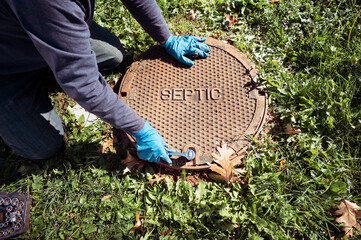
Essential Septic Solutions for a Healthy Property

septic

Septic systems are a vital component of residential and commercial properties that are not connected to municipal sewer systems. These systems manage wastewater efficiently, ensuring sanitation, environmental protection, and long-term property health. Proper installation, maintenance, and management of septic systems are essential for preventing costly repairs, protecting water quality, and maintaining the safety and comfort of your home or business. Understanding septic systems, their components, and best practices for upkeep is key to avoiding issues and ensuring reliable performance for years to come.

Understanding Septic Systems

A septic system is an underground wastewater treatment structure commonly used in areas without centralized sewer systems. It treats household wastewater by separating solids from liquids and breaking down organic matter through natural bacterial processes. The treated effluent is then safely absorbed into the soil through a drain field, preventing contamination of groundwater and surface water.

Key components of a septic system include:

  • Septic Tank – The primary container where solids settle and liquid effluent separates.
  • Drain Field – A series of perforated pipes buried in gravel trenches that distribute treated wastewater into the soil.
  • Distribution Box – Ensures even flow from the tank to the drain field.
  • Vent Pipes – Allow gases to escape and maintain proper airflow within the system.

Each component plays a critical role in ensuring the system functions effectively and safely.

Benefits of a Properly Maintained Septic System

Maintaining a septic system offers several important benefits:

  • Environmental Protection – Proper treatment of wastewater prevents contamination of soil and water sources.
  • Cost Savings – Regular maintenance reduces the risk of expensive repairs or system replacement.
  • Health and Safety – Efficient systems prevent exposure to harmful pathogens and odors.
  • Longevity – Well-maintained systems can last decades, providing reliable wastewater management.
  • Property Value – A functional septic system supports property integrity and resale value.

Investing in proper care and timely maintenance ensures the septic system continues to serve your property safely and efficiently.

Signs of Septic System Problems

Early detection of septic issues is critical to avoid major damage. Common warning signs include:

  • Slow Drains – Toilets, sinks, or showers drain slowly, indicating possible blockages.
  • Pooling Water – Water or sewage pooling in the yard near the drain field signals system failure.
  • Unpleasant Odors – Foul smells around the property or inside the home may indicate tank overflow or leaks.
  • Sewage Backup – Wastewater backing up into sinks, toilets, or drains is a serious warning of system problems.
  • Lush Vegetation – Unusually green or thick grass over the drain field may indicate leaks and nutrient-rich effluent.

Recognizing these signs early allows for prompt intervention and prevents extensive damage to the system or property.

Septic System Maintenance Tips

Regular maintenance is key to ensuring the longevity and efficiency of a septic system. Best practices include:

  • Routine Inspections – Have the system inspected by a professional every 1–3 years to check for potential issues.
  • Regular Pumping – Remove accumulated solids from the septic tank every 3–5 years, depending on usage and tank size.
  • Water Conservation – Reduce excessive water use to prevent system overload and tank overflow.
  • Proper Waste Disposal – Avoid flushing non-biodegradable items, grease, chemicals, or medications down drains.
  • Drain Field Care – Do not drive or park heavy vehicles over the drain field, and avoid planting trees nearby that may damage pipes.
  • Use of Bacterial Additives – Maintaining healthy bacterial populations in the tank helps with the breakdown of organic matter.

Consistent maintenance ensures the system operates efficiently, preventing costly repairs and protecting the environment.

Installation Considerations

A properly installed septic system is essential for optimal performance. Key considerations during installation include:

  • Soil Type and Drainage – Evaluate soil percolation rates to determine the suitability and design of the drain field.
  • System Size – Size the tank and drain field based on household water usage and occupancy.
  • Site Location – Position the system away from water sources, slopes, and structures to reduce the risk of contamination or flooding.
  • Permit and Regulations – Ensure compliance with local health and environmental regulations for installation and operation.

Professional installation ensures the system is correctly designed, protecting property value and long-term functionality.

Common Septic System Problems and Solutions

Understanding common issues helps homeowners take preventative measures:

  • Clogged Pipes – Caused by grease, debris, or roots. Regular pumping and mindful waste disposal prevent clogs.
  • Tank Overflow – Results from excessive water use or delayed pumping. Efficient water usage and regular maintenance reduce risks.
  • Drain Field Failure – Often due to soil compaction, tree roots, or poor design. Protecting the field and monitoring system performance can prevent failure.
  • Leaks or Cracks – Structural damage to the tank or pipes may occur over time. Early inspections and prompt repairs mitigate damage.

Addressing problems early minimizes repair costs and extends the life of the septic system.

Environmental Benefits of Septic Systems

Septic systems are environmentally friendly when properly maintained. They naturally treat wastewater, reduce reliance on centralized sewage systems, and conserve energy. Benefits include:

  • Reduced Water Pollution – Proper treatment prevents contaminants from entering rivers, lakes, and groundwater.
  • Sustainable Waste Management – Localized treatment reduces the strain on municipal systems.
  • Nutrient Recycling – Effluent in the drain field contributes nutrients to the soil, supporting vegetation growth.

By investing in responsible septic system care, property owners contribute to a healthier, more sustainable environment.

Septic systems are an essential part of modern properties, providing reliable wastewater management while protecting health, the environment, and property value. Proper installation, regular maintenance, and early detection of potential issues are key to maximizing performance and longevity.

By understanding the components, benefits, and best practices of septic systems, homeowners and property managers can ensure safe, efficient, and environmentally responsible wastewater management. Investing time and resources into septic care not only prevents costly repairs but also supports a sustainable and healthy property for years to come.
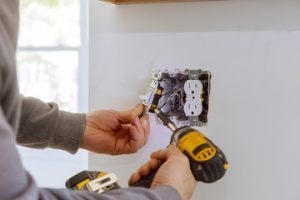
Troubleshooting Common Electrical Problems in Residential Properties

Electricity powers nearly every aspect of modern living, from lighting and refrigeration to communication devices and climate control systems. Yet despite its importance, most homeowners rarely think about their electrical systems until something goes wrong. Flickering lights, tripped breakers, or dead outlets can quickly shift from minor inconveniences to serious safety concerns. Understanding how to troubleshoot common electrical problems in residential properties empowers homeowners to identify warning signs early, take appropriate precautions, and determine when professional electrical services are necessary. A proactive approach not only minimizes disruptions but also protects both property and occupants from potential hazards.

One of the most frequent issues in residential properties is a circuit breaker that trips repeatedly. Circuit breakers are designed to interrupt power flow when a circuit becomes overloaded or when a fault occurs. If a breaker trips occasionally after running multiple high-demand appliances, it may simply be doing its job. However, repeated tripping signals a deeper issue that requires attention. Overloaded circuits often result from too many devices operating simultaneously on a single branch circuit. In older homes, especially, electrical systems were not designed to support today’s energy consumption levels. Homeowners can begin troubleshooting by unplugging unnecessary devices and redistributing appliances across different outlets. If the breaker continues to trip despite reducing the load, it may indicate a short circuit or ground fault, both of which warrant professional inspection.

electrical

Flickering or dimming lights are another common electrical concern. While a loose lightbulb can sometimes be the cause, persistent flickering may suggest voltage fluctuations or poor wiring connections. When the lights dim each time a large appliance starts, such as a refrigerator or air conditioning unit, it may point to an overloaded panel or insufficient circuit capacity. Loose wiring connections within switches or fixtures can also create intermittent contact, leading to visible flicker. These situations should not be ignored, as loose connections can generate heat and increase fire risk. Careful observation of patterns—such as whether flickering occurs in one room or throughout the home—can help identify whether the issue is localized or systemic.

Dead outlets are another issue homeowners frequently encounter. An outlet that suddenly stops working may have a tripped ground fault circuit interrupter (GFCI) or a disconnected wire behind the wall. GFCI outlets, typically installed in kitchens, bathrooms, and exterior areas, include reset buttons that restore power after detecting a fault. Checking and resetting these outlets is a practical first troubleshooting step. If resetting does not restore power, the issue may involve damaged wiring or a failed receptacle. It is essential to avoid inserting foreign objects into outlets or attempting repairs without proper tools and knowledge, as this can lead to electric shock.

Burning odors or discoloration around outlets and switches are serious warning signs that demand immediate attention. These symptoms may indicate overheating wires, loose connections, or deteriorating insulation. Over time, electrical components can degrade due to age or excessive load, leading to increased resistance and heat buildup. Homeowners should immediately discontinue use of the affected outlet or switch and shut off power to the circuit if safe to do so. Continuing to operate a compromised circuit increases the risk of electrical fire. Prompt professional evaluation ensures that underlying wiring issues are corrected before further damage occurs.

Electrical surges represent another common yet often misunderstood problem in residential properties. Surges can result from lightning strikes, utility grid fluctuations, or large appliances cycling on and off. While a single surge may go unnoticed, repeated surges can gradually damage electronic devices. Symptoms include devices that shut down unexpectedly, clocks that reset, or appliances that malfunction without apparent cause. Installing whole-home surge protection and using high-quality power strips for sensitive electronics can mitigate damage. If surges occur frequently, it may indicate issues with internal wiring or service connections that require professional assessment.

High electricity bills without a clear explanation can also signal underlying electrical inefficiencies. Phantom loads, outdated appliances, and poorly balanced circuits can all contribute to excessive consumption. Troubleshooting begins with identifying devices that draw power even when not actively in use, such as chargers and entertainment systems. Unplugging seldom-used electronics or using smart power strips can reduce unnecessary draw. Additionally, monitoring breaker panel temperature and ensuring circuits are not overloaded can improve efficiency. When energy costs continue to rise without changes in usage patterns, an electrical inspection can uncover hidden inefficiencies or faulty components.

Another issue that homeowners occasionally face is frequent lightbulb burnout. While bulbs naturally have limited lifespans, repeated failure within a short period suggests a deeper problem. Potential causes include voltage that exceeds fixture ratings, loose wiring, or improper bulb types for specific fixtures. Installing bulbs with the correct wattage and ensuring secure connections can reduce premature burnout. If replacement bulbs continue to fail quickly, voltage testing may reveal irregularities within the circuit. Addressing such irregularities prevents further damage and extends fixture longevity.

Electrical buzzing sounds are subtle but important indicators of trouble. A faint hum from certain fixtures may be normal, particularly with dimmer switches. However, persistent buzzing from outlets, switches, or the electrical panel can signal loose connections or faulty breakers. Since electricity should flow silently through properly installed wiring, unusual sounds should prompt immediate investigation. Homeowners should avoid touching buzzing components and instead consult a qualified electrician to diagnose the source safely.

Outdated wiring systems pose a broader challenge in many residential properties. Homes built decades ago may contain wiring materials that are no longer considered optimal for modern demands. Over time, insulation can become brittle, connections may corrode, and grounding systems may prove insufficient. Signs of aging wiring include warm wall plates, frequent breaker trips, or an inconsistent power supply. Rewiring projects can be extensive, but they significantly enhance safety and reliability. Recognizing early symptoms of wiring deterioration allows homeowners to plan upgrades before emergencies arise.

When troubleshooting electrical problems, it is useful to categorize issues into two primary groups:

  1. Load-related problems, which stem from excessive demand placed on circuits or panels.
  2. Fault-related problems, which involve damaged wiring, short circuits, or component failures.

Understanding this distinction helps homeowners determine whether simple load redistribution may resolve the issue or whether deeper structural repairs are necessary. While some troubleshooting steps are straightforward, diagnosing fault-related issues requires specialized equipment and expertise.

Preventive measures play a crucial role in reducing the likelihood of electrical problems. Homeowners can adopt several practical habits that support system health:

  1. Avoid using extension cords as permanent solutions for additional outlets.
  2. Ensure major appliances operate on dedicated circuits designed for their load requirements.
  3. Test GFCI outlets regularly to confirm proper functionality.
  4. Keep electrical panels accessible and free from obstruction to allow quick access during emergencies.

These practices reinforce safe operation and minimize stress on wiring systems.

Weather-related factors can also contribute to electrical disruptions. Heavy storms, moisture infiltration, and temperature fluctuations can affect outdoor wiring and service connections. Water exposure increases the risk of ground faults, while temperature extremes may cause materials to expand or contract, loosening connections. Ensuring that exterior outlets are weatherproof and that panel enclosures remain sealed reduces vulnerability to environmental damage. After severe weather events, inspecting visible wiring and monitoring for irregularities can help detect problems early.

In some cases, electrical issues are intermittent, making them more difficult to diagnose. A circuit that fails sporadically may involve loose connections hidden within junction boxes or behind walls. Such problems often require systematic testing with specialized diagnostic tools. While homeowners can observe patterns and document occurrences, professional evaluation ensures accurate identification of hidden faults. Ignoring intermittent problems may allow them to escalate into more significant hazards.

It is important to recognize the limits of do-it-yourself troubleshooting. Resetting a breaker, replacing a lightbulb, or testing a GFCI outlet are generally safe tasks when performed correctly. However, opening panels, handling exposed wiring, or modifying circuits without training can result in severe injury or property damage. Electrical systems operate under potentially lethal voltages, and even minor mistakes can have serious consequences. Knowing when to seek professional assistance is a critical aspect of responsible homeownership.

Routine electrical inspections provide long-term benefits by identifying potential issues before they manifest as noticeable problems. During an inspection, professionals evaluate panel condition, circuit integrity, grounding systems, and load distribution. Thermal imaging may be used to detect hotspots that indicate loose connections. Preventive maintenance reduces the likelihood of emergency repairs and enhances overall system performance.

In conclusion, troubleshooting common electrical problems in residential properties requires attentiveness, practical knowledge, and a commitment to safety. From tripped breakers and flickering lights to surges and outdated wiring, each issue offers warning signs that should not be ignored. By understanding basic troubleshooting steps and recognizing when professional intervention is necessary, homeowners can maintain safe and efficient electrical systems. Proactive maintenance, thoughtful load management, and prompt response to irregularities ensure that residential electrical infrastructure continues to operate reliably. Ultimately, informed vigilance is the most effective strategy for minimizing risk and preserving the long-term functionality of any home’s electrical system.