How to Choose the Right Materials for Your Bathroom Remodel

Bathroom Remodel Lexington KY is one of the most rewarding home improvement projects, offering both functional upgrades and aesthetic transformation. However, the success of your remodel largely depends on the materials you choose. Bathrooms are high-moisture environments that demand durability, water resistance, and easy maintenance, all while maintaining a cohesive and appealing design. Selecting the right materials requires a balance of practicality, style, and long-term performance. With thoughtful planning and a clear understanding of your options, you can create a bathroom that not only looks beautiful but also stands the test of time.

bathroom remodeling

The first step in choosing the right materials is to consider how your bathroom is used on a daily basis. A high-traffic family bathroom will have very different requirements compared to a guest bathroom or a personal ensuite. Frequent use calls for materials that can withstand wear and tear, resist moisture damage, and remain easy to clean. On the other hand, a less frequently used space may allow for more decorative or delicate finishes. By aligning your material choices with the function of the space, you ensure that your remodel remains practical and efficient in the long run.

Moisture resistance should be at the top of your priority list when evaluating materials for a bathroom remodel. Water exposure is constant in this environment, whether from showers, sinks, or humidity. Materials that absorb moisture can quickly deteriorate, leading to issues such as mold growth, warping, and structural damage. That is why it is essential to choose surfaces specifically designed to handle wet conditions. Proper sealing and installation also play a critical role in protecting your investment, as even the best materials can fail if not installed correctly.

When it comes to flooring, durability and safety are key considerations. Bathroom floors must not only handle moisture but also provide slip resistance to prevent accidents. There are several options available, each with its own advantages. Some materials offer superior water resistance, while others provide a softer feel underfoot or a more luxurious appearance. The right choice depends on your priorities, whether that is comfort, aesthetics, or long-term durability. It is also important to consider how the flooring material will coordinate with the rest of the bathroom design.

Wall materials are equally important, particularly in areas exposed to direct water contact, such as showers and tubs. These surfaces need to be both waterproof and easy to maintain. Smooth, non-porous materials are often preferred because they resist staining and simplify cleaning. In addition to functionality, wall materials contribute significantly to the overall look of the bathroom. The color, texture, and pattern you choose can set the tone for the entire space, whether you prefer a modern, minimalist style or a more traditional design.

To simplify your decision-making process, here are some essential factors to evaluate when selecting bathroom materials:

  1. Water resistance and durability, ensuring the material can withstand constant exposure to moisture
  2. Maintenance requirements, including how easy it is to clean and maintain over time
  3. Aesthetic compatibility with your desired design style and overall theme
  4. Cost and long-term value, balancing your budget with the expected lifespan of the material

By carefully weighing these factors, you can narrow down your options and focus on materials that meet both your practical and design needs.

Countertops are another critical element in a bathroom remodel, serving both functional and visual purposes. These surfaces must endure daily use, exposure to water, and contact with various products. Choosing a material that resists stains, scratches, and moisture is essential for maintaining a clean and polished appearance. At the same time, countertops often act as a focal point in the bathroom, making their visual appeal equally important. The right countertop can elevate the overall design and tie together different elements within the space.

Cabinetry and storage solutions also require careful material selection. Bathrooms demand storage that can handle humidity without warping or deteriorating. Materials used for cabinets should be sturdy and properly sealed to prevent moisture damage. Additionally, the finish of the cabinetry can influence the overall aesthetic, from sleek and modern to warm and traditional. Storage design should not only be visually appealing but also functional, providing ample space to keep the bathroom organized and clutter-free.

Fixtures and hardware, while often considered finishing touches, play a significant role in both functionality and style. These elements are used frequently and must be durable enough to withstand daily wear. Choosing high-quality materials ensures longevity and reduces the need for frequent replacements. The finish of fixtures and hardware should complement the overall design, creating a cohesive and polished look. Even small details, such as handles and faucets, can have a noticeable impact on the final result.

Lighting materials and finishes should not be overlooked, as they contribute to both the ambiance and functionality of the bathroom. Proper lighting enhances visibility and highlights design features, while the materials used in lighting fixtures must be suitable for humid environments. Selecting fixtures that resist corrosion and maintain their appearance over time is essential. Thoughtful lighting design can transform the bathroom into a more inviting and comfortable space, enhancing both its practicality and visual appeal.

Ventilation is another factor that indirectly influences your material choices. A well-ventilated bathroom helps control moisture levels, reducing the risk of damage to surfaces and finishes. Without adequate ventilation, even the most durable materials can suffer over time. Ensuring proper airflow not only protects your materials but also improves overall indoor air quality. This is an often-overlooked aspect of bathroom remodeling that can significantly impact the longevity of your investment.

Sustainability is becoming an increasingly important consideration in material selection. Many homeowners are now looking for eco-friendly options that minimize environmental impact while maintaining high performance. Sustainable materials can offer durability and style without compromising on quality. Choosing environmentally responsible options can also contribute to better indoor air quality, creating a healthier living environment for you and your family.

To ensure a smooth remodeling process, keep the following practical tips in mind when selecting materials:

  1. Order samples whenever possible to see how materials look and feel in your space
  2. Consider how different materials will interact with lighting conditions throughout the day
  3. Plan for consistency in color and texture to achieve a cohesive design
  4. Allow for flexibility in your choices in case certain materials are unavailable or exceed your budget

These steps can help you avoid common pitfalls and make more informed decisions throughout your project.

Another important aspect to consider is the balance between trends and timeless design. While it can be tempting to follow the latest design trends, it is important to choose materials that will remain appealing for years to come. Trendy elements can quickly become outdated, whereas classic materials tend to offer lasting value. Striking a balance between modern style and timeless appeal ensures that your bathroom remains attractive and functional well into the future.

Installation quality is just as important as the materials themselves. Even the most durable and high-quality materials can fail if they are not installed correctly. Proper installation ensures that materials perform as intended and maintain their appearance over time. It is worth investing in skilled workmanship to protect your investment and achieve the best possible results. Attention to detail during installation can make a significant difference in the overall outcome of your remodel.

Finally, it is essential to think about long-term maintenance and upkeep. Different materials require different levels of care, and understanding these requirements can help you make more practical choices. Some materials may require regular sealing or special cleaning products, while others are designed for low maintenance. Choosing materials that align with your lifestyle and maintenance preferences can make a big difference in your overall satisfaction with the finished space.

Choosing the right materials for your bathroom remodel is a process that involves careful consideration of functionality, durability, and design. By taking the time to evaluate your needs, explore your options, and plan thoughtfully, you can create a bathroom that is both beautiful and built to last. From flooring and walls to fixtures and finishes, every material plays a role in shaping the final result. With the right approach, your bathroom remodel can become a seamless blend of style, comfort, and long-term performance.
Roof Repair Guide: Protecting Your Home from Damage and Costly Problems

Roof Repair

It often begins with something small. A faint water stain appears on the ceiling after a storm, or a few shingles look slightly out of place when you glance up at the roof. At first these signs may seem minor, but roofing issues rarely stay small for long. A roof quietly protects the entire home from weather, moisture, and temperature changes, yet it receives little attention until something goes wrong. Roof repair plays a critical role in maintaining the safety, comfort, and structural integrity of a home. Understanding how Cedar Park Roof Repair works and why it matters can help homeowners protect their property before problems grow into expensive damage.

Why Roof Repair Is Essential for Every Home

The roof is one of the most important structural elements of a house. It shields the interior from rain, wind, sunlight, and changing temperatures. When the roof is in good condition it prevents moisture from entering the structure and helps maintain stable indoor temperatures.

Over time roofing materials naturally wear down due to environmental exposure. Sunlight can weaken shingles, strong winds can loosen materials, and heavy rain can reveal weak spots. Even small issues such as cracked shingles or damaged flashing can allow water to seep beneath the surface.

Roof repair addresses these problems before they spread further. Fixing damaged sections helps restore the protective barrier that keeps water and debris out of the home. Without proper repair, moisture can reach insulation, wooden framing, and interior ceilings, leading to more extensive damage.

Regular roof repair and maintenance also extend the lifespan of roofing materials. Instead of replacing the entire roof prematurely, homeowners can preserve its condition by addressing issues as they arise.

Common Causes of Roof Damage

Understanding what causes roof damage helps homeowners recognize potential problems early. Weather conditions are among the most common reasons roofs require repair.

Strong winds can lift or tear shingles from the roof surface. When shingles are missing or loose, the underlying layers become exposed to moisture. Heavy rain can then penetrate the roof and create leaks.

Sun exposure also affects roofing materials. Prolonged exposure to ultraviolet rays can cause shingles to dry out and become brittle. Over time this may lead to cracks and breakage.

Temperature fluctuations can also cause roofing materials to expand and contract. This constant movement may weaken seals around vents, chimneys, and other roof features.

Another common cause of roof damage is poor drainage. When gutters become clogged with debris, water may accumulate on the roof surface instead of flowing away properly. Standing water increases the risk of leaks and structural deterioration.

Tree branches that hang over the roof may also cause damage during storms or strong winds. Falling branches can break shingles and create openings that allow water to enter.

By understanding these common causes, homeowners can take steps to reduce the likelihood of roof damage.

Signs That a Roof Needs Repair

Roof problems often show warning signs before major damage occurs. Recognizing these signs early allows homeowners to schedule repairs before the situation worsens.

One of the most noticeable indicators is water stains on ceilings or walls. These stains often appear after rainfall and suggest that moisture has entered through the roof.

Missing or curling shingles are another common sign. When shingles lose their shape or detach from the roof, they can no longer protect the underlying materials effectively.

Granules from shingles sometimes collect in gutters or around downspouts. These granules help protect shingles from sunlight, and their loss may indicate that the roofing materials are aging.

A sagging roof surface may suggest structural problems beneath the outer layers. This issue should be addressed immediately because it may signal serious damage to the roof deck.

Unusual increases in heating or cooling costs may also indicate roofing problems. Damaged roofing materials can affect insulation and ventilation, making it harder to maintain comfortable indoor temperatures.

By paying attention to these warning signs, homeowners can take action before roof damage becomes more severe.

The Roof Repair Process

Roof repair typically begins with a detailed inspection. During this stage professionals examine the roof to identify damaged areas and determine the cause of the problem.

The inspection may include checking shingles, flashing, vents, and gutters. Professionals also evaluate the condition of the underlying roof deck and other structural components.

Once the source of the damage is identified, a repair plan is developed. This plan focuses on restoring the roof’s ability to protect the home while addressing any underlying issues.

Damaged shingles are often replaced with new ones that match the existing roof. Flashing around chimneys, vents, and skylights may also be repaired or replaced to prevent leaks.

If moisture has affected the underlying materials, those sections may need to be repaired before new roofing components are installed. Ensuring that the foundation of the roof is strong helps prevent future problems.

After repairs are completed, the roof is inspected again to confirm that all issues have been resolved. Proper roof repair restores the roof’s functionality and helps maintain its durability.

Preventative Maintenance for Long Lasting Roof Performance

Preventative maintenance plays a major role in reducing the need for extensive roof repairs. By maintaining the roof regularly, homeowners can identify and address minor problems before they escalate.

Routine inspections are an important part of maintenance. Checking the roof periodically allows homeowners to spot loose shingles, damaged flashing, or debris accumulation.

Cleaning gutters is another essential task. Clear gutters allow rainwater to drain properly and prevent moisture from pooling on the roof.

Trimming nearby tree branches reduces the risk of falling debris during storms. It also prevents leaves and twigs from accumulating on the roof surface.

Attic ventilation should also be monitored to ensure proper airflow. Poor ventilation can trap heat and moisture beneath the roof, which may damage roofing materials over time.

Preventative maintenance not only protects the roof but also helps extend its lifespan, reducing the need for frequent repairs.

Benefits of Professional Roof Repair Services

While some minor maintenance tasks can be handled by homeowners, professional roof repair offers several advantages. Experienced professionals have the knowledge and equipment needed to identify problems that may not be visible from the ground.

Professionals can detect hidden damage beneath shingles or within structural components. Addressing these issues early prevents further deterioration.

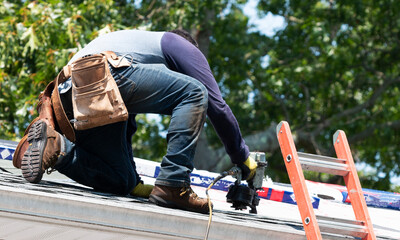
Safety is another important consideration. Roof work involves climbing and working at heights, which can be dangerous without proper training and equipment. Professional technicians follow safety practices that reduce the risk of accidents.

Professional repairs also ensure that materials are installed correctly. Proper installation techniques help maintain the integrity of the roof and prevent future leaks.

Hiring experienced professionals provides homeowners with confidence that the roof will continue to protect the property effectively.

The Long Term Value of Timely Roof Repair

Timely roof repair provides benefits that extend beyond immediate problem solving. Maintaining a strong and reliable roof helps protect the entire structure of the home.

A well maintained roof prevents water from damaging walls, ceilings, and insulation. It also helps preserve indoor comfort by maintaining effective temperature control.

Roof repairs can also enhance the appearance of a home. Replacing damaged shingles and restoring the roof’s condition improves curb appeal and overall property value.

For homeowners considering selling their property, a well maintained roof is an attractive feature for potential buyers. It signals that the home has been properly cared for and reduces concerns about future repairs.

Investing in timely roof repair ultimately saves money by preventing more expensive structural damage.

Conclusion: Protecting Your Home Through Effective Roof Repair

Roof repair is an essential part of responsible home maintenance. The roof protects the entire property from weather exposure, and even small issues can lead to serious damage if left unaddressed.

By understanding the causes of roof damage, recognizing warning signs, and performing regular maintenance, homeowners can keep their roofs in strong condition. Professional repairs ensure that problems are handled safely and effectively.

A well maintained roof provides long lasting protection, improves energy efficiency, and enhances the overall appearance of the home. Through careful attention and timely repair, homeowners can ensure that their roofs continue to safeguard their homes for many years to come.

House Painting Guide: Transforming Your Home with Professional Painting Services

House Painting

Stand across the street and take a moment to look at your home. The color of the walls, the finish of the trim, and the overall appearance of the exterior all contribute to the first impression it creates. Inside, the colors of your living spaces influence mood, comfort, and style. Over time, however, paint fades, chips, and loses its vibrancy.

House painting at SGB Custom Painting is one of the most effective ways to refresh a property, protect surfaces, and enhance its overall value. With the right preparation and approach, painting can completely transform the look and feel of a home.

The Importance of House Painting

House painting goes far beyond improving appearance. Paint acts as a protective barrier that shields surfaces from moisture, sunlight, and everyday wear. Exterior paint helps prevent water damage and protects building materials from harsh weather conditions. Interior paint protects walls from stains, scuffs, and gradual deterioration.

Over time, paint begins to break down due to environmental exposure and normal household activity. When paint deteriorates, surfaces become vulnerable to damage. Cracks and peeling areas allow moisture to seep into walls, which may lead to mold growth or structural problems.

Regular house painting helps preserve the condition of both interior and exterior surfaces. By renewing protective coatings, homeowners extend the lifespan of siding, drywall, wood trim, and other materials. In addition to protection, a fresh coat of paint revitalizes the overall aesthetic of the property.

For homeowners considering selling their property, house painting can significantly increase curb appeal. A well maintained exterior and updated interior colors create a welcoming environment that attracts potential buyers.

Planning a Successful House Painting Project

Careful planning is essential for achieving professional results in any house painting project. The process begins with evaluating the current condition of the surfaces to be painted. Identifying cracks, stains, or damaged areas ensures that necessary repairs are completed before painting begins.

Surface preparation is one of the most important steps. Walls and siding must be cleaned thoroughly to remove dust, dirt, and grease. Exterior surfaces may require pressure washing to eliminate accumulated grime. Interior surfaces may need patching or sanding to create a smooth base.

Selecting the right paint type is another key consideration. Different areas of the home require different formulations. Exterior paints must withstand weather conditions, while interior paints focus on durability and easy cleaning.

Color selection also plays a major role in the planning process. Choosing complementary colors for walls, trim, and accents enhances the visual harmony of the property. Neutral tones often create a timeless look, while bold colors can highlight architectural features.

Establishing a clear timeline ensures that the project progresses smoothly. Weather conditions, drying times, and the size of the property all influence the duration of a painting project.

Interior House Painting for a Fresh Living Space

Interior house painting has the power to transform living spaces dramatically. The colors inside a home influence mood, comfort, and perception of space. Lighter colors can make rooms appear larger and more open, while deeper tones create warmth and intimacy.

Living rooms and bedrooms often benefit from calming shades that promote relaxation. Kitchens and dining areas may incorporate brighter colors that create energy and vibrancy. Hallways and shared spaces often use neutral tones to maintain consistency throughout the home.

Proper preparation is essential for interior painting. Furniture is moved or covered to prevent damage, and floors are protected with drop cloths. Walls are cleaned and repaired to ensure that the paint adheres properly.

Applying primer helps create an even base and enhances color accuracy. Once the primer dries, multiple coats of paint may be applied to achieve full coverage and a smooth finish.

Interior painting also includes trim, doors, and ceilings. Attention to these details creates a polished and cohesive appearance that elevates the entire space.

Exterior House Painting and Weather Protection

Exterior house painting plays a crucial role in protecting a home from environmental elements. Sunlight, rain, wind, and temperature changes can gradually damage exposed surfaces.

A fresh exterior coat forms a protective shield that resists moisture and prevents wood rot. High quality exterior paint also reflects sunlight, reducing heat absorption and improving energy efficiency.

Preparation for exterior painting often involves extensive cleaning and repair. Cracked siding, damaged trim, and loose paint must be addressed before new paint is applied. Removing old peeling paint ensures proper adhesion and a longer lasting finish.

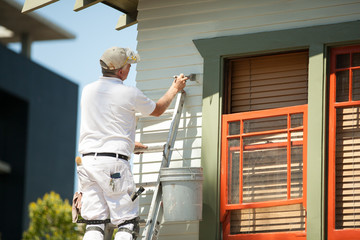
Painting the exterior requires careful attention to detail. Areas such as windows, doors, and gutters must be protected to avoid unwanted paint marks. Professional techniques ensure smooth and consistent coverage across large surfaces.

The result of exterior house painting is not only improved protection but also enhanced curb appeal. A well maintained exterior makes a strong visual statement and reflects pride in homeownership.

Choosing the Right Colors and Finishes

Color selection is one of the most exciting aspects of house painting. The chosen palette influences both the style and atmosphere of the home.

Neutral colors remain popular because they offer versatility and timeless appeal. Shades of white, gray, and beige create clean and elegant environments. These colors also provide flexibility for changing decor styles.

Accent colors add personality and highlight architectural details. Front doors, shutters, and trim can serve as focal points that enhance the overall design.

Finish selection is equally important. Matte finishes offer a smooth appearance that hides imperfections but may require more maintenance. Satin and semi gloss finishes provide durability and are easier to clean, making them suitable for high traffic areas.

Exterior finishes must balance durability with visual appeal. Choosing the right combination of color and finish ensures that the home remains attractive and well protected.

The Benefits of Professional House Painting

While some homeowners choose to paint their homes themselves, professional house painting offers several advantages. Experienced painters understand proper preparation techniques and application methods that produce long lasting results.

Professionals also have access to specialized tools and equipment that improve efficiency and safety. Working on ladders or elevated surfaces requires experience and proper precautions.

Another benefit of professional painting is attention to detail. Clean lines, even coverage, and consistent finishes contribute to a polished final appearance.

Professional painters also save homeowners time and effort. Large painting projects can be physically demanding and time consuming. Hiring experts allows homeowners to enjoy the transformation without the stress of managing the process themselves.

Investing in professional services often results in higher quality outcomes and longer lasting paint performance.

Conclusion: Enhancing Your Home Through House Painting

House painting is one of the most impactful ways to improve both the appearance and durability of a property. Whether refreshing interior rooms or protecting exterior surfaces, painting provides a combination of beauty and functionality.

Through careful planning, proper preparation, and thoughtful color selection, homeowners can create spaces that reflect their style and enhance comfort. A freshly painted home not only looks inviting but also stands stronger against the elements.

By prioritizing quality and maintenance, house painting becomes more than a simple update. It becomes a lasting investment in the beauty, value, and longevity of your home.