Beneath the Surface: The Hidden Rhythm of Septic Pumping

Clean systems start where most people never look. Septic pumping is one of those quiet necessities that keeps everything running smoothly without ever demanding attention. It exists beneath the surface, hidden from view, yet it safeguards hygiene, comfort, and even property value. The world above relies entirely on the efficiency of the world below.

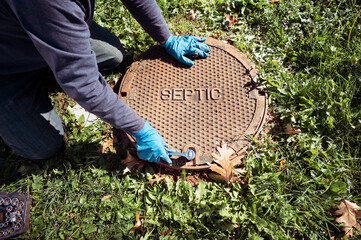
Septic

Modern life produces waste faster than we realize. Every flush, rinse, and drain contributes to a system that must be managed with precision. A septic tank becomes the heart of this process, separating, filtering, and breaking down what we discard. But without timely care, even the most well-built system can falter. Visit https://septic-guys.com/ to learn more.

Septic pumping is not just maintenance—it’s prevention. It removes the buildup that naturally accumulates over time, keeping the system from clogging or backing up. Without this intervention, waste that should stay contained may find its way back into daily life, creating both health hazards and costly damage.

Many homeowners forget that septic systems have a lifespan shaped by usage and upkeep. Regular pumping extends that life, ensuring that the balance within the tank remains intact. Solids settle at the bottom, scum floats to the top, and between them lies the liquid layer that flows to the drain field. Removing excess layers keeps this delicate ecosystem functioning as intended.

A well-timed pumping schedule depends on several factors. The size of the tank, the number of occupants, and water usage patterns all play a role. Too much delay allows solids to enter the drainage area, causing irreversible clogs. Too frequent cleaning, however, may disrupt natural bacterial processes that help decompose waste. Balance is key.

People often underestimate the science behind septic systems. Within that underground chamber, natural bacteria perform constant work, digesting organic matter and reducing waste volume. When solids grow beyond what bacteria can handle, pumping becomes necessary to reset the system’s equilibrium. It’s a cycle of renewal, unseen but essential.

Technological advances have made septic pumping cleaner, faster, and safer. Vacuum pumps and sealed containment ensure that waste is removed efficiently without exposing the surroundings to contamination. Modern equipment can even assess tank levels and detect leaks before they cause major problems.

Inspection goes hand in hand with pumping. Professionals use the opportunity to evaluate tank condition, look for cracks, check baffles, and assess sludge depth. These observations reveal how well the system performs and what preventive steps might be needed. A single inspection can avert years of future trouble.

Neglecting septic pumping is not just a matter of inconvenience—it’s a threat to health and environment. Overflow or leaks can release pathogens into soil and groundwater. The resulting contamination can harm vegetation, water sources, and even nearby living spaces. Maintaining the system is an act of protection for the ecosystem as much as for the household.

Proper education about septic systems is often overlooked. Many users assume that out of sight means out of mind, but awareness creates responsibility. Understanding how everyday actions affect the tank—like excessive use of chemicals or water—helps sustain its performance. Pumping complements this awareness by keeping the physical system aligned with good habits.

The rhythm of septic care is steady and predictable when monitored correctly. Most systems require pumping every few years, though some need it more often based on demand. Establishing a routine builds peace of mind and prevents the panic of unexpected backups. Consistency is the unsung hero of maintenance.

There’s also an environmental perspective in timely pumping. A well-maintained septic system prevents untreated wastewater from seeping into the ground. It protects aquatic life and ensures that the soil continues to act as a natural filter. What seems like a simple household task actually contributes to broader ecological health.

Many experts describe septic pumping as a form of cleansing. Just as the human body expels waste to stay healthy, so must our living systems. Ignoring that function results in toxicity and imbalance. Regular maintenance keeps the flow of life—both literal and symbolic—uninterrupted.

The process itself is straightforward but requires skill. A technician locates the access points, measures sludge and scum layers, and uses specialized equipment to extract the waste. After pumping, the tank is checked for backflow, leaks, and any damage. Documentation of these details creates a record that helps plan future servicing.

Every property with a septic system has its own rhythm. High water usage homes may require more frequent attention, while smaller households can extend intervals. But no matter the setting, the principle remains: delay leads to decay. A few hours of pumping can prevent years of repair.

There’s an art in knowing when to act. Slow drains, unpleasant odors, or soggy ground above the tank are early warnings. These subtle signs indicate that layers inside have grown too thick. Responding early prevents expensive interventions later.

Even new homeowners benefit from immediate evaluation. It’s common to inherit systems without maintenance records, leaving hidden risks below the surface. A single pumping session reveals the tank’s health and offers a clean start for responsible ownership.

Proper waste disposal habits support the system’s longevity. Flushing non-biodegradable materials or pouring grease into drains disrupts bacterial activity. Over time, these mistakes lead to blockages that no pumping schedule can fix alone. Respecting the system is part of preserving it.

Water conservation also plays a major role. The less strain placed on the septic tank, the more efficiently it performs. Fixing leaks, using efficient fixtures, and spacing out laundry loads all reduce pressure on the system. Pumping becomes more effective when supported by these daily habits.

A hidden beauty exists in septic systems. They represent a quiet harmony between human design and natural biology. Bacteria, gravity, and filtration work together to process what we discard. Septic pumping keeps this harmony alive, renewing the space where waste transforms back into safety.

Modern environmental awareness has changed how people view septic maintenance. It’s no longer just about preventing clogs but about sustainability. Clean water, fertile soil, and public health depend on responsible waste management. Septic pumping stands at the crossroads of these values.

In rural areas, where centralized sewer systems don’t exist, septic pumping takes on even greater importance. It supports self-sufficiency and independence while maintaining community hygiene. Each properly serviced tank becomes part of a network of protection for all who share the land.

For businesses that rely on septic systems, pumping ensures compliance with regulations and continuity of operations. Overflow or system failure can disrupt productivity and reputation. Investing in maintenance keeps everything functioning without interruption.

The future of septic technology points toward smarter monitoring. Sensors now track waste levels and send alerts when pumping is due. These innovations make it easier to manage maintenance without relying on guesswork. The combination of human expertise and digital insight promises cleaner and more efficient systems.

Despite technology, human expertise remains vital. Skilled technicians understand the subtle signs of wear, the smell of imbalance, the sound of flow. Their experience turns a simple task into a craft of precision. Behind every clean drain lies the work of unseen hands maintaining equilibrium.

Pumping frequency may seem routine, but it embodies the principle of stewardship. Caring for what’s hidden shows respect for both property and environment. It reminds us that true cleanliness extends beyond what meets the eye.

Those who schedule regular pumping often enjoy fewer repairs, cleaner surroundings, and better property value. A neglected system, by contrast, can bring financial and emotional stress. Prevention always costs less than restoration.

The materials removed during pumping undergo proper treatment before disposal. They are processed to ensure that no harmful elements reenter the environment. This responsible cycle completes the circle of care that begins with the household and ends with the ecosystem.

The odors often associated with septic systems come from imbalance, not normal function. A well-maintained tank operates quietly and without smell. Pumping restores that equilibrium, transforming discomfort into reassurance.

Education and awareness campaigns continue to emphasize the importance of septic management. Communities that encourage regular pumping see fewer cases of contamination and system failure. Shared responsibility leads to shared cleanliness.

Those who experience a properly functioning system rarely think about it again. That’s the beauty of septic maintenance—it works best when invisible. The absence of trouble is the proof of success. Pumping simply preserves that quiet peace.

Even in emergencies, quick action and professional care can restore balance. Severe blockages or overflows often trace back to long-neglected tanks. After pumping, systems regain stability, and households rediscover comfort.

Pumping also allows opportunities for upgrades. Technicians can recommend improved filters, risers, or inspection ports that make future maintenance easier. Investing once can simplify care for years ahead.

Though often dismissed as unglamorous, septic pumping reflects a deeper philosophy—responsibility to what lies unseen. It connects cleanliness, health, and sustainability into a single act. Beneath every home, there’s a living system that deserves respect.

The next time you turn on a faucet or flush a toilet, remember the silent machinery working below. Its quiet service keeps the modern world clean and functional. Septic pumping ensures that service continues, uninterrupted, reliable, and invisible.

In the end, septic pumping is not just about waste removal. It is a story of rhythm, renewal, and responsibility. It’s about tending to what we rarely see but always rely upon. Beneath every surface, the pulse of sanitation continues—steady, vital, and unseen.

Visit our Professional Services Blogs

Portland Metro Plumbers, Provantage Handyman, Santa Ana Flooring, Plumbing Heating Cooling New Jersey, Riverside Stump Grinding, Painter In Hanover, My Restoration Directory, Miami Dade Restoration Services, Update Construction, Campanelli Construction, Cruz Construction And Restoration , Airconditioning Round Rock, Air Dynamics Airconditioning And Heating, Gands Airconditioning And Heating, Windward Building Company LLC, Airconditioning Repairs Bocaraton, Laguna Airconditioning, Roofing 719, 3 Phase Construction NJ, Broadway Building Contractors, UIS Concrete And Demo, Austin Plumbers Near Me, Richmond Gutter Cleaning Company, Weather Defense Roofing Weather Proof Roofing, Ray Allen Plumbing, Raleigh Pressure Washing Painting , Fairfield County Septic, Carlson Craft Cabinets, Helping Hand Home Improvement, Delco Home InspectorWindow Cleaning Stafford 

Essential Septic Solutions for a Healthy Property

septic

Septic systems are a vital component of residential and commercial properties that are not connected to municipal sewer systems. These systems manage wastewater efficiently, ensuring sanitation, environmental protection, and long-term property health. Proper installation, maintenance, and management of septic systems are essential for preventing costly repairs, protecting water quality, and maintaining the safety and comfort of your home or business. Understanding septic systems, their components, and best practices for upkeep is key to avoiding issues and ensuring reliable performance for years to come.

Understanding Septic Systems

A septic system is an underground wastewater treatment structure commonly used in areas without centralized sewer systems. It treats household wastewater by separating solids from liquids and breaking down organic matter through natural bacterial processes. The treated effluent is then safely absorbed into the soil through a drain field, preventing contamination of groundwater and surface water.

Key components of a septic system include:

  • Septic Tank – The primary container where solids settle and liquid effluent separates.
  • Drain Field – A series of perforated pipes buried in gravel trenches that distribute treated wastewater into the soil.
  • Distribution Box – Ensures even flow from the tank to the drain field.
  • Vent Pipes – Allow gases to escape and maintain proper airflow within the system.

Each component plays a critical role in ensuring the system functions effectively and safely.

Benefits of a Properly Maintained Septic System

Maintaining a septic system offers several important benefits:

  • Environmental Protection – Proper treatment of wastewater prevents contamination of soil and water sources.
  • Cost Savings – Regular maintenance reduces the risk of expensive repairs or system replacement.
  • Health and Safety – Efficient systems prevent exposure to harmful pathogens and odors.
  • Longevity – Well-maintained systems can last decades, providing reliable wastewater management.
  • Property Value – A functional septic system supports property integrity and resale value.

Investing in proper care and timely maintenance ensures the septic system continues to serve your property safely and efficiently.

Signs of Septic System Problems

Early detection of septic issues is critical to avoid major damage. Common warning signs include:

  • Slow Drains – Toilets, sinks, or showers drain slowly, indicating possible blockages.
  • Pooling Water – Water or sewage pooling in the yard near the drain field signals system failure.
  • Unpleasant Odors – Foul smells around the property or inside the home may indicate tank overflow or leaks.
  • Sewage Backup – Wastewater backing up into sinks, toilets, or drains is a serious warning of system problems.
  • Lush Vegetation – Unusually green or thick grass over the drain field may indicate leaks and nutrient-rich effluent.

Recognizing these signs early allows for prompt intervention and prevents extensive damage to the system or property.

Septic System Maintenance Tips

Regular maintenance is key to ensuring the longevity and efficiency of a septic system. Best practices include:

  • Routine Inspections – Have the system inspected by a professional every 1–3 years to check for potential issues.
  • Regular Pumping – Remove accumulated solids from the septic tank every 3–5 years, depending on usage and tank size.
  • Water Conservation – Reduce excessive water use to prevent system overload and tank overflow.
  • Proper Waste Disposal – Avoid flushing non-biodegradable items, grease, chemicals, or medications down drains.
  • Drain Field Care – Do not drive or park heavy vehicles over the drain field, and avoid planting trees nearby that may damage pipes.
  • Use of Bacterial Additives – Maintaining healthy bacterial populations in the tank helps with the breakdown of organic matter.

Consistent maintenance ensures the system operates efficiently, preventing costly repairs and protecting the environment.

Installation Considerations

A properly installed septic system is essential for optimal performance. Key considerations during installation include:

  • Soil Type and Drainage – Evaluate soil percolation rates to determine the suitability and design of the drain field.
  • System Size – Size the tank and drain field based on household water usage and occupancy.
  • Site Location – Position the system away from water sources, slopes, and structures to reduce the risk of contamination or flooding.
  • Permit and Regulations – Ensure compliance with local health and environmental regulations for installation and operation.

Professional installation ensures the system is correctly designed, protecting property value and long-term functionality.

Common Septic System Problems and Solutions

Understanding common issues helps homeowners take preventative measures:

  • Clogged Pipes – Caused by grease, debris, or roots. Regular pumping and mindful waste disposal prevent clogs.
  • Tank Overflow – Results from excessive water use or delayed pumping. Efficient water usage and regular maintenance reduce risks.
  • Drain Field Failure – Often due to soil compaction, tree roots, or poor design. Protecting the field and monitoring system performance can prevent failure.
  • Leaks or Cracks – Structural damage to the tank or pipes may occur over time. Early inspections and prompt repairs mitigate damage.

Addressing problems early minimizes repair costs and extends the life of the septic system.

Environmental Benefits of Septic Systems

Septic systems are environmentally friendly when properly maintained. They naturally treat wastewater, reduce reliance on centralized sewage systems, and conserve energy. Benefits include:

  • Reduced Water Pollution – Proper treatment prevents contaminants from entering rivers, lakes, and groundwater.
  • Sustainable Waste Management – Localized treatment reduces the strain on municipal systems.
  • Nutrient Recycling – Effluent in the drain field contributes nutrients to the soil, supporting vegetation growth.

By investing in responsible septic system care, property owners contribute to a healthier, more sustainable environment.

Septic systems are an essential part of modern properties, providing reliable wastewater management while protecting health, the environment, and property value. Proper installation, regular maintenance, and early detection of potential issues are key to maximizing performance and longevity.

By understanding the components, benefits, and best practices of septic systems, homeowners and property managers can ensure safe, efficient, and environmentally responsible wastewater management. Investing time and resources into septic care not only prevents costly repairs but also supports a sustainable and healthy property for years to come.

Preventing Rodents and Insects: Long-Term Pest Management Strategies

Pest problems rarely begin as dramatic infestations. More often, they start quietly—an unnoticed crack along a foundation, a few crumbs under an appliance, a damp crawl space left unchecked. Over time, these small vulnerabilities invite rodents and insects to settle in, multiply, and compromise both property and health. Long-term pest management is not about reacting to a visible problem; it is about preventing infestations before they take hold. By understanding how pests behave and implementing structured prevention strategies, property owners can maintain a cleaner, safer, and more resilient environment year-round.

rodent removal

Preventing rodents and insects requires a shift in perspective. Instead of focusing solely on extermination, long-term pest control emphasizes integrated pest management, habitat modification, routine inspections, and consistent maintenance. This approach reduces reliance on repeated treatments and instead builds a layered defense system that addresses the root causes of infestations. Whether for residential or commercial properties, the key is consistency, awareness, and strategic planning. For more information, go to https://www.rodentretreattexas.com/.

One of the foundational principles of long-term pest prevention is understanding why pests invade properties in the first place. Rodents and insects seek three primary resources: food, water, and shelter. When any of these elements are readily available, the risk of infestation increases significantly. Kitchens, storage rooms, basements, and attics often provide ideal conditions because they combine warmth, moisture, and accessible food sources. Even small oversights—such as improperly sealed garbage bins or minor plumbing leaks—can create a hospitable environment for unwanted intruders.

Structural exclusion is one of the most effective long-term pest management strategies. Sealing entry points prevents rodents and insects from accessing the interior of a building. Small gaps around windows, doors, vents, and utility lines may seem insignificant, but they can serve as open invitations to pests. Rodents can squeeze through openings as small as a coin, while insects require even less space. Thorough inspections of exterior walls, roofing, and foundations should be conducted regularly, followed by sealing cracks with durable materials designed to withstand environmental wear.

Moisture control plays an equally critical role in preventing insect infestations. Many pests, including cockroaches, termites, and certain beetles, thrive in damp environments. Addressing moisture issues involves repairing leaks promptly, ensuring proper drainage around foundations, maintaining clean gutters, and using dehumidifiers in humid spaces. Dry conditions not only deter insects but also limit mold growth, which can further attract pests. In this way, moisture management supports both structural integrity and pest prevention simultaneously.

Sanitation is another cornerstone of effective rodent and insect control. Pests are opportunistic, and accessible food sources dramatically increase infestation risks. Implementing strict cleanliness protocols reduces attractants and discourages pests from settling in. Effective sanitation practices include:

  1. Storing food in airtight containers made of durable materials.
  2. Cleaning spills immediately and regularly vacuuming hard-to-reach areas.
  3. Removing trash frequently and keeping bins tightly sealed.
  4. Maintaining clean outdoor areas by clearing debris and trimming vegetation away from structures.

When sanitation becomes a routine habit rather than a reactive measure, it significantly lowers the likelihood of long-term pest problems. Consistency is what transforms simple cleaning tasks into a powerful preventive strategy.

Landscape management is often overlooked in pest control planning, yet it directly influences infestation risks. Overgrown shrubs, stacked firewood, and dense vegetation near foundations create bridges for rodents and insects to enter buildings. Maintaining a clear perimeter around the property acts as a physical barrier. Trimming branches away from roofs, keeping grass short, and storing materials off the ground reduce nesting opportunities and limit direct access points. Strategic landscaping is not merely about aesthetics; it is a protective measure that reinforces structural defenses.

Monitoring and routine inspections are essential for identifying early signs of pest activity before infestations escalate. Waiting until droppings, damage, or visible insects appear often means the problem is already advanced. Scheduled inspections—either self-conducted or performed by pest control professionals—allow for early detection and prompt intervention. Monitoring tools such as traps or detection devices can provide valuable insight into pest patterns and activity levels without immediately resorting to widespread treatments.

Integrated Pest Management (IPM) offers a structured framework for long-term pest prevention. Rather than relying solely on chemical solutions, IPM combines multiple strategies to minimize environmental impact while maintaining effectiveness. A comprehensive IPM plan typically involves:

  1. Identification of the specific pest species and understanding its behavior.
  2. Assessment of environmental conditions contributing to the issue.
  3. Implementation of non-chemical control methods such as exclusion and sanitation.
  4. Targeted treatments only when necessary, using the least disruptive options available.

This systematic approach ensures that pest control is proactive, precise, and sustainable. By focusing on prevention and minimal intervention, IPM reduces recurring infestations and lowers overall treatment costs over time.

Seasonal adjustments are also crucial in preventing rodents and insects. Pest behavior changes throughout the year, and prevention strategies should adapt accordingly. During colder months, rodents seek indoor shelter, making structural sealing and attic inspections particularly important. In warmer seasons, insect populations increase, requiring heightened attention to moisture control and outdoor maintenance. Aligning prevention efforts with seasonal patterns creates a dynamic strategy that anticipates pest movement rather than reacting to it.

Commercial properties face additional challenges in long-term pest management due to higher traffic, food handling, and storage demands. Warehouses, restaurants, and office buildings must maintain strict compliance with health standards while preventing infestations that could damage reputation and operations. Regular inspections, documented maintenance protocols, and employee training programs become essential components of a comprehensive pest prevention plan. Educating staff on proper waste disposal, storage practices, and early warning signs strengthens the entire system and reduces vulnerability.

Technology has also enhanced long-term pest management strategies. Digital monitoring systems and smart traps allow property owners to track activity in real time, enabling faster responses to emerging issues. These tools improve efficiency and provide data-driven insights into pest trends, helping refine prevention methods. By integrating technology with traditional practices, pest control becomes more strategic and less reactive.

Another often underestimated factor in pest prevention is structural maintenance. Aging buildings naturally develop vulnerabilities over time. Cracked foundations, deteriorating roofing materials, and warped door frames can create entry points that were not originally present. Regular maintenance schedules that include structural repairs serve as preventive pest control measures. Investing in property upkeep not only preserves value but also reduces long-term pest management costs.

Education and awareness further strengthen long-term prevention efforts. Property owners who understand pest habits are better equipped to identify risks early. Recognizing subtle signs—such as scratching noises in walls, faint odors, or minor gnaw marks—can prompt timely inspections before a minor issue escalates. Awareness transforms pest control from a reactive service into an informed partnership between property owners and professionals.

It is important to acknowledge that even the most diligent preventive measures may occasionally require professional intervention. When infestations do occur, prompt and strategic removal prevents further damage and restores balance. However, the goal of long-term pest management is to minimize the frequency and severity of such events. By establishing consistent prevention routines, properties become less attractive targets, reducing the likelihood of recurring problems.

Sustainable pest control also contributes to broader environmental responsibility. Excessive chemical use can disrupt ecosystems and affect non-target species. Long-term strategies that prioritize exclusion, sanitation, and monitoring reduce reliance on repeated treatments. This balanced approach supports environmental health while still delivering effective results. Property owners benefit from safer indoor environments and reduced exposure to unnecessary chemicals.

Financial considerations further reinforce the value of preventive pest management. Reactive treatments often involve emergency services, extensive repairs, and potential health remediation. In contrast, preventive measures—such as sealing gaps or maintaining drainage systems—require relatively modest investments. Over time, the cost savings from avoided infestations can be substantial. Prevention protects not only the structure itself but also the long-term financial stability of property owners.

Ultimately, preventing rodents and insects requires commitment. It is not a one-time effort but an ongoing process built on vigilance and routine care. The most successful pest management strategies combine structural integrity, sanitation discipline, environmental awareness, and professional expertise. When these elements work together, they create a resilient defense system that deters infestations before they begin.

Long-term pest management is about building habits and systems rather than chasing symptoms. By addressing the environmental conditions that attract rodents and insects, property owners can proactively and sustainably control their spaces. Prevention becomes part of everyday maintenance, integrated seamlessly into property care routines.

In a world where pest populations continually adapt, prevention remains the most reliable strategy. Through careful planning, consistent inspections, and informed decision-making, property owners can maintain rodent- and insect-free environments that support health, safety, and structural longevity. The path to lasting pest control does not rely on quick fixes but on strategic, sustained action that stops infestations before they take root.

Troubleshooting Common Electrical Problems in Residential Properties

Electricity powers nearly every aspect of modern living, from lighting and refrigeration to communication devices and climate control systems. Yet despite its importance, most homeowners rarely think about their electrical systems until something goes wrong. Flickering lights, tripped breakers, or dead outlets can quickly shift from minor inconveniences to serious safety concerns. Understanding how to troubleshoot common electrical problems in residential properties empowers homeowners to identify warning signs early, take appropriate precautions, and determine when professional electrical services are necessary. A proactive approach not only minimizes disruptions but also protects both property and occupants from potential hazards.

One of the most frequent issues in residential properties is a circuit breaker that trips repeatedly. Circuit breakers are designed to interrupt power flow when a circuit becomes overloaded or when a fault occurs. If a breaker trips occasionally after running multiple high-demand appliances, it may simply be doing its job. However, repeated tripping signals a deeper issue that requires attention. Overloaded circuits often result from too many devices operating simultaneously on a single branch circuit. In older homes, especially, electrical systems were not designed to support today’s energy consumption levels. Homeowners can begin troubleshooting by unplugging unnecessary devices and redistributing appliances across different outlets. If the breaker continues to trip despite reducing the load, it may indicate a short circuit or ground fault, both of which warrant professional inspection.

electrical

Flickering or dimming lights are another common electrical concern. While a loose lightbulb can sometimes be the cause, persistent flickering may suggest voltage fluctuations or poor wiring connections. When the lights dim each time a large appliance starts, such as a refrigerator or air conditioning unit, it may point to an overloaded panel or insufficient circuit capacity. Loose wiring connections within switches or fixtures can also create intermittent contact, leading to visible flicker. These situations should not be ignored, as loose connections can generate heat and increase fire risk. Careful observation of patterns—such as whether flickering occurs in one room or throughout the home—can help identify whether the issue is localized or systemic.

Dead outlets are another issue homeowners frequently encounter. An outlet that suddenly stops working may have a tripped ground fault circuit interrupter (GFCI) or a disconnected wire behind the wall. GFCI outlets, typically installed in kitchens, bathrooms, and exterior areas, include reset buttons that restore power after detecting a fault. Checking and resetting these outlets is a practical first troubleshooting step. If resetting does not restore power, the issue may involve damaged wiring or a failed receptacle. It is essential to avoid inserting foreign objects into outlets or attempting repairs without proper tools and knowledge, as this can lead to electric shock.

Burning odors or discoloration around outlets and switches are serious warning signs that demand immediate attention. These symptoms may indicate overheating wires, loose connections, or deteriorating insulation. Over time, electrical components can degrade due to age or excessive load, leading to increased resistance and heat buildup. Homeowners should immediately discontinue use of the affected outlet or switch and shut off power to the circuit if safe to do so. Continuing to operate a compromised circuit increases the risk of electrical fire. Prompt professional evaluation ensures that underlying wiring issues are corrected before further damage occurs.

Electrical surges represent another common yet often misunderstood problem in residential properties. Surges can result from lightning strikes, utility grid fluctuations, or large appliances cycling on and off. While a single surge may go unnoticed, repeated surges can gradually damage electronic devices. Symptoms include devices that shut down unexpectedly, clocks that reset, or appliances that malfunction without apparent cause. Installing whole-home surge protection and using high-quality power strips for sensitive electronics can mitigate damage. If surges occur frequently, it may indicate issues with internal wiring or service connections that require professional assessment.

High electricity bills without a clear explanation can also signal underlying electrical inefficiencies. Phantom loads, outdated appliances, and poorly balanced circuits can all contribute to excessive consumption. Troubleshooting begins with identifying devices that draw power even when not actively in use, such as chargers and entertainment systems. Unplugging seldom-used electronics or using smart power strips can reduce unnecessary draw. Additionally, monitoring breaker panel temperature and ensuring circuits are not overloaded can improve efficiency. When energy costs continue to rise without changes in usage patterns, an electrical inspection can uncover hidden inefficiencies or faulty components.

Another issue that homeowners occasionally face is frequent lightbulb burnout. While bulbs naturally have limited lifespans, repeated failure within a short period suggests a deeper problem. Potential causes include voltage that exceeds fixture ratings, loose wiring, or improper bulb types for specific fixtures. Installing bulbs with the correct wattage and ensuring secure connections can reduce premature burnout. If replacement bulbs continue to fail quickly, voltage testing may reveal irregularities within the circuit. Addressing such irregularities prevents further damage and extends fixture longevity.

Electrical buzzing sounds are subtle but important indicators of trouble. A faint hum from certain fixtures may be normal, particularly with dimmer switches. However, persistent buzzing from outlets, switches, or the electrical panel can signal loose connections or faulty breakers. Since electricity should flow silently through properly installed wiring, unusual sounds should prompt immediate investigation. Homeowners should avoid touching buzzing components and instead consult a qualified electrician to diagnose the source safely.

Outdated wiring systems pose a broader challenge in many residential properties. Homes built decades ago may contain wiring materials that are no longer considered optimal for modern demands. Over time, insulation can become brittle, connections may corrode, and grounding systems may prove insufficient. Signs of aging wiring include warm wall plates, frequent breaker trips, or an inconsistent power supply. Rewiring projects can be extensive, but they significantly enhance safety and reliability. Recognizing early symptoms of wiring deterioration allows homeowners to plan upgrades before emergencies arise.

When troubleshooting electrical problems, it is useful to categorize issues into two primary groups:

  1. Load-related problems, which stem from excessive demand placed on circuits or panels.
  2. Fault-related problems, which involve damaged wiring, short circuits, or component failures.

Understanding this distinction helps homeowners determine whether simple load redistribution may resolve the issue or whether deeper structural repairs are necessary. While some troubleshooting steps are straightforward, diagnosing fault-related issues requires specialized equipment and expertise.

Preventive measures play a crucial role in reducing the likelihood of electrical problems. Homeowners can adopt several practical habits that support system health:

  1. Avoid using extension cords as permanent solutions for additional outlets.
  2. Ensure major appliances operate on dedicated circuits designed for their load requirements.
  3. Test GFCI outlets regularly to confirm proper functionality.
  4. Keep electrical panels accessible and free from obstruction to allow quick access during emergencies.

These practices reinforce safe operation and minimize stress on wiring systems.

Weather-related factors can also contribute to electrical disruptions. Heavy storms, moisture infiltration, and temperature fluctuations can affect outdoor wiring and service connections. Water exposure increases the risk of ground faults, while temperature extremes may cause materials to expand or contract, loosening connections. Ensuring that exterior outlets are weatherproof and that panel enclosures remain sealed reduces vulnerability to environmental damage. After severe weather events, inspecting visible wiring and monitoring for irregularities can help detect problems early.

In some cases, electrical issues are intermittent, making them more difficult to diagnose. A circuit that fails sporadically may involve loose connections hidden within junction boxes or behind walls. Such problems often require systematic testing with specialized diagnostic tools. While homeowners can observe patterns and document occurrences, professional evaluation ensures accurate identification of hidden faults. Ignoring intermittent problems may allow them to escalate into more significant hazards.

It is important to recognize the limits of do-it-yourself troubleshooting. Resetting a breaker, replacing a lightbulb, or testing a GFCI outlet are generally safe tasks when performed correctly. However, opening panels, handling exposed wiring, or modifying circuits without training can result in severe injury or property damage. Electrical systems operate under potentially lethal voltages, and even minor mistakes can have serious consequences. Knowing when to seek professional assistance is a critical aspect of responsible homeownership.

Routine electrical inspections provide long-term benefits by identifying potential issues before they manifest as noticeable problems. During an inspection, professionals evaluate panel condition, circuit integrity, grounding systems, and load distribution. Thermal imaging may be used to detect hotspots that indicate loose connections. Preventive maintenance reduces the likelihood of emergency repairs and enhances overall system performance.

In conclusion, troubleshooting common electrical problems in residential properties requires attentiveness, practical knowledge, and a commitment to safety. From tripped breakers and flickering lights to surges and outdated wiring, each issue offers warning signs that should not be ignored. By understanding basic troubleshooting steps and recognizing when professional intervention is necessary, homeowners can maintain safe and efficient electrical systems. Proactive maintenance, thoughtful load management, and prompt response to irregularities ensure that residential electrical infrastructure continues to operate reliably. Ultimately, informed vigilance is the most effective strategy for minimizing risk and preserving the long-term functionality of any home’s electrical system.

Can Veneer Cabinets Be Refinished?

Cabinet refinishing

While veneers seem cheap upfront, they deteriorate quickly in high-traffic kitchens. Moisture damage can cause rippling, cracking, or warping, which often leads homeowners to consider San Jose Cabinet Refinishing as a longer-lasting solution.

Regular maintenance prevents small problems from becoming structural damage. For example, repairing loose hinges, tightening screws, and wiping down surfaces immediately helps maintain stability.

Refinishing veneer cabinets is possible, but requires extra care to avoid damage. The process is similar to refinishing solid wood furniture, though it demands more precision due to the thinner material.

Limitations

Veneer cabinets are a popular choice for cabinet refinishing and refacing projects. They offer a less expensive and more straightforward option than complete replacement of the existing cabinetry. However, there are several limitations associated with veneer that should be considered before choosing this solution for a renovation project.

The most significant drawback of refinishing veneer cabinets is their vulnerability to moisture-related damage. Due to their thin composition, moisture seeps into the space between the veneer and the underlying cabinet material, which can lead to warping and unsightly bubbles. This type of damage is difficult to repair and can jeopardize the integrity of the cabinetry.

Another disadvantage of refinishing cabinets with veneer is that new paint and stain tend to chip more easily than solid wood cabinetry. This is due to the fact that kitchen cabinet surfaces typically experience a great deal of moisture penetration from cooking steam, spills, and splatter. This moisture penetration causes the surface to weaken and deteriorate, which ultimately results in chips and flaking.

While the initial cost of solid wood furniture may seem expensive, it will last much longer than a piece made from plywood or MDF with a veneer coating. This long-term investment is a good idea for residential use as well as commercial and multi-family developments, where budgets are typically tighter.

Real wood veneer is a great choice for refinishing cabinets because it offers design flexibility and style options. It is available in many different finishes, including matte, satin, and high gloss, and can be crafted into a wide variety of shapes and sizes. Additionally, it comes in a range of wood grain patterns such as flat cut, rift cut, quarter cut, and rustic planked.

The most important consideration for homeowners looking to refinish their cabinetry with veneer is the level of expertise required. It’s essential to follow the correct prepping techniques to ensure the longevity of the new finish. This includes cleaning the surface to remove grease and dust, followed by light sanding to expose the natural wood grain and allow for proper bonding of the new finish. It is also critical to use high-quality sandpaper to prevent over-sanding and damaging the veneer.

Prep Techniques

Veneer is a thin slice of real wood, often less than 1/8 inch thick, glued onto core materials like particle board or medium-density fiberboard (MDF) to create furniture. This process allows for the use of lower-cost raw materials while retaining the appearance of solid wood and is a popular choice for modern furniture. Because of its flexibility, veneer offers the option for a wide range of design styles, from simple modernization to more dramatic, statement-making looks.

Unfortunately, veneer isn’t as durable as solid wood and can begin to chip or peel over time, making it necessary to refinish the piece. Painting is one of the easiest and most cost-effective ways to refresh a piece of furniture, and painting veneer cabinets is no exception. This type of project requires some serious elbow grease and preparation, however, to ensure that the job is done correctly.

While it may seem counterintuitive, it’s possible to paint wood veneer that has a natural finish intact. To do so, the surface will need to be thoroughly cleaned, then lightly sanded. Light sanding will remove any imperfections and provide the smooth surface needed for good paint adhesion. This is the key to ensuring that the new coat of paint will be long-lasting and not flaky or sticky.

It’s important to use a high-quality water-based primer when painting wood veneer, and it’s best to avoid oil-based products altogether as they can cause bubbling and cracking. Then, follow up with a few coats of paint, allowing adequate drying time between each application. If any spots have been sanded through to the core material, fill them with a quality wood filler.

To make sure the finished product is a professional-quality job, it’s always a wise idea to hire an experienced cabinet refinisher to do the work. They can help with prep techniques, choose the right paints and finishes, and ensure a seamless look.

Whether you’re looking for an easy modernization or a bold, contemporary look, refinishing your veneer cabinets can make a big difference in the appearance of your kitchen. It takes a bit of elbow grease, but if you have the time and inclination to tackle the task, it’s well worth the effort.

Risks

Refinishing is a good option for homeowners looking to improve their kitchen without the cost of full-scale cabinet replacement. It involves removing the existing finish and applying a new coat of paint to achieve the desired results. However, it’s important to understand the limitations and risks involved with this project. The first step in the process is thoroughly cleaning the cabinets with a mild cleaner. Over time, kitchens accumulate grease, dust, and other debris that can prevent the new paint from adhering to the surface. Once the cabinets are clean, a light sanding is recommended to help remove any rough spots and reveal the wood grain. This will help the new paint adhere to the cabinet surface and allow for a smooth, even coat.

Veneers are a thin layer of wood or thermofoil plastic (also known as melamine) that is glued to particle board. These materials are cheap and durable enough for use as a cabinet face, but they’re not as sturdy as solid wood. They’re also prone to moisture damage, which can lead to warping, bubbles, and drooping over time. In addition, they are susceptible to fluctuating temperatures and humidity levels, which can cause them to expand and shrink at a different rate than the wood underneath them.

Despite the drawbacks, veneer cabinets are a great option for many homes. They can be a good alternative to solid wood cabinetry, which is more expensive upfront and is prone to environmental factors that may shorten its lifespan. In addition, they’re much less expensive than a complete cabinet replacement.

To maximize the longevity of your veneer cabinets, proper maintenance is critical. Regular cleaning is a must, as well as keeping humidity and temperature levels consistent throughout your home. It’s also important to handle your cabinets with care, as slamming them shut can damage the veneer and hinges over time. In general, the best way to ensure your cabinet refacing project lasts is to hire a professional. They’ll have the expertise and tools to make your cabinets look beautiful and last for years to come.

Replacement

Cabinets make a significant impact on your kitchen’s look and feel. If they begin to appear worn or dated, you can give them a facelift by refinishing or replacing them. Which is the right choice for you? Choosing to replace your cabinets allows you to overhaul the entire room, but it can be costly and a major project that requires contractors. Refinishing is less expensive and can be done by anyone with basic DIY skills and ambition.

When you have veneer cabinetry in need of a refresh, it’s important to consider what type of finish will work best. Veneer is typically a thin layer of real wood laminated to a core. This combination provides superior stability to solid wood, minimizing issues like warping and expansion that may occur with solid material alone.

Before refinishing, your cabinets should be cleaned and lightly sanded to remove any remaining paint or varnish. This will help ensure an even finish and a smooth surface that can be painted or stained. If you’re concerned about sanding your veneer, opt for a light sanding with fine-grit paper (320 — 400). This will prevent you from damaging the surface underneath.

You should also consider the types of adhesives that can be used on your cabinets, especially when working with a vertical surface. For example, when refinishing a dresser or other piece that can’t be laid flat, contact glue is often preferred over traditional PVA wood glue because it bonds instantly and won’t sag due to gravity, as slow-curing PVA will. For a strong bond, it’s also essential to clamp the vertical surfaces of the furniture while the glue sets.

When you’re ready to refinish your veneer cabinets, it’s important to use only the highest-quality materials. This includes sandpaper, primer, and paint that’s designed for use on veneers. It’s also a good idea to purchase a respirator and gloves to protect yourself from the fumes associated with stripping. Once the primer and paint are applied, you can reinstall your cabinet doors, drawer fronts, and hardware for a completely refreshed look.