Carpet is one of the most widely used flooring materials in residential and commercial properties. It provides warmth, comfort, noise reduction, and a polished aesthetic that enhances interior spaces. However, carpet also functions as a large filtration system, trapping dust, allergens, soil particles, and debris deep within its fibers. While regular vacuuming removes surface dirt, it does not fully eliminate the contaminants embedded below. Over time, this buildup can affect indoor air quality, appearance, and the overall lifespan of the carpet. For property owners, understanding how often to schedule professional Carpet Cleaning Lehi is essential to maintaining both cleanliness and long-term value.
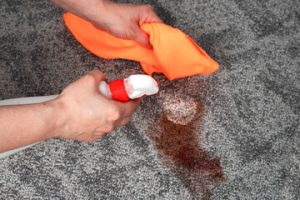
The frequency of carpet cleaning is not a one-size-fits-all recommendation. Instead, it depends on several factors, including foot traffic, occupancy levels, the presence of pets or children, and whether the property is residential or commercial. A carefully structured maintenance plan helps prevent premature wear, discoloration, and odor retention. More importantly, it protects the investment made in flooring materials, which can represent a significant portion of interior renovation costs.
Carpet fibers are designed to capture and hold soil, but excessive buildup creates friction that damages the pile. Each time someone walks across a dirty carpet, abrasive particles grind against the fibers, causing them to fray and lose resilience. This gradual deterioration may not be immediately noticeable, but over months and years, it results in a flattened, dull appearance. Professional carpet cleaning removes deeply embedded debris, reducing fiber abrasion and preserving texture. From a property management perspective, routine cleaning is preventive maintenance that extends the usable life of the flooring.
For most residential properties, professional carpet cleaning is recommended at least once every 12 months. This annual schedule works well for households with moderate foot traffic and no unusual contamination issues. However, homes with children, pets, or individuals with allergies may benefit from more frequent service. Pet dander, hair, tracked-in soil, and occasional accidents can accelerate contamination. In such cases, scheduling cleaning every six months may provide better results. The goal is to prevent buildup from reaching a level where it becomes difficult to fully restore the carpet’s appearance and hygiene.
Commercial properties typically require a more aggressive cleaning schedule due to higher foot traffic. Offices, retail environments, and multi-unit residential buildings experience constant movement throughout the day. Dirt is tracked in from outside, and spills are more common. For these settings, quarterly or biannual professional cleaning may be appropriate, depending on usage patterns. High-traffic corridors and entryways may even require targeted cleaning more frequently than less-used areas. Maintaining a consistent schedule not only improves aesthetics but also demonstrates professionalism and attention to detail.
Several key factors influence how often carpet cleaning should be scheduled:
- Foot Traffic Levels: The more people moving through a space, the faster dirt accumulates and fibers wear down.
- Presence of Pets or Children: Pets introduce hair and dander, while children may contribute spills and stains.
- Indoor Air Quality Concerns: Properties where occupants have allergies or respiratory sensitivities may require more frequent cleaning to reduce airborne irritants.
Evaluating these variables helps property owners determine a realistic and effective maintenance plan.
Another important consideration is the type of carpet fiber and construction. Some materials are more resilient and stain-resistant than others. However, even high-performance carpets require routine deep cleaning to remove embedded soil and restore fiber alignment. Neglecting maintenance can void manufacturer warranties, many of which require documented professional cleaning at specified intervals. For property owners, adhering to recommended cleaning schedules protects both the physical product and any associated warranty coverage.
Stain management is also directly tied to cleaning frequency. When spills occur, immediate spot treatment is crucial. However, residue from cleaning agents or partially removed stains can attract additional dirt over time. Professional carpet cleaning uses advanced extraction methods that remove both contaminants and leftover cleaning residues. This process restores the carpet’s original texture and reduces the likelihood of recurring stains. Scheduling regular service minimizes the accumulation of these residues and maintains a consistent appearance throughout the property.
Seasonal factors may influence cleaning timing as well. During rainy or snowy periods, more moisture and soil are tracked indoors. In dry seasons, dust levels may increase. Property owners often schedule professional carpet cleaning after high-impact seasons to reset interior conditions. This approach ensures that accumulated debris does not remain embedded for extended periods.
Odor control is another reason to maintain a structured carpet cleaning routine. Carpets can absorb odors from pets, cooking, smoke, and general occupancy. Over time, these odors become trapped within the padding and fibers. Vacuuming alone cannot eliminate deeply embedded odor sources. Professional extraction methods remove organic matter that contributes to persistent smells, leaving the environment fresher and more inviting. In rental properties or commercial spaces, odor management plays a crucial role in occupant satisfaction.
From a financial perspective, routine carpet cleaning is far more cost-effective than premature replacement. Installing new carpet involves material costs, labor expenses, and potential downtime. By contrast, scheduled maintenance represents a relatively modest investment that extends the life of existing flooring. Property owners who neglect cleaning often find that carpets appear worn long before their expected lifespan. Preventive care protects the original investment and reduces long-term capital expenditures.
In addition to routine cleaning intervals, property owners should recognize situations that call for immediate professional attention. These circumstances include:
- Significant water exposure due to leaks or flooding, which requires prompt extraction to prevent mold growth.
- Large or deeply set stains that cannot be removed with standard spot treatments.
- Noticeable changes in odor or indoor air quality that may indicate hidden contamination within the carpet padding.
Addressing these issues promptly prevents them from escalating into larger problems that require more extensive remediation.
Health considerations further reinforce the importance of regular carpet cleaning. Carpets trap allergens such as dust mites, pollen, and pet dander. While this filtration effect can temporarily prevent particles from becoming airborne, excessive buildup may eventually compromise indoor air quality. Professional cleaning removes these contaminants from deep within the fibers, supporting a healthier indoor environment. For properties housing individuals with asthma or allergies, maintaining clean carpets is part of a broader indoor air quality strategy.
The method used for professional carpet cleaning also matters. Hot water extraction is commonly employed because it penetrates deeply into fibers and removes embedded soil effectively. Encapsulation and low-moisture methods may be appropriate for certain commercial settings where rapid drying is required. Consulting with a qualified professional ensures that the chosen method aligns with the carpet type and usage level. Proper technique prevents over-wetting, which can damage backing materials or promote microbial growth.
Property owners managing multiple units or commercial facilities may benefit from developing a documented carpet maintenance plan. This plan should outline cleaning intervals, inspection schedules, and procedures for addressing spills or stains. Keeping detailed records supports warranty compliance and demonstrates responsible management practices. It also allows for consistent budgeting and scheduling, reducing the likelihood of unexpected expenses.
Vacuuming remains a critical complement to professional cleaning. High-quality vacuum equipment with effective filtration systems should be used regularly to remove surface debris before it becomes embedded. Entry mats at doorways can significantly reduce the amount of dirt tracked onto carpets. Encouraging occupants to follow simple preventive measures enhances the effectiveness of professional services and prolongs intervals between deep cleanings.
Ultimately, the question of how often to schedule carpet cleaning depends on balancing usage demands with preventive care. A general guideline for residential properties is once per year, increasing to twice annually in high-traffic or pet-friendly environments. Commercial properties often require cleaning every three to six months, with targeted maintenance for heavily used areas. By evaluating traffic patterns, occupancy, and environmental conditions, property owners can tailor a schedule that preserves appearance and performance.
In conclusion, carpet cleaning is not merely a cosmetic service; it is a strategic component of property maintenance. Regular professional cleaning protects fiber integrity, enhances indoor air quality, controls odors, and extends the lifespan of flooring materials. For property owners seeking to safeguard their investment, establishing a consistent maintenance schedule is both practical and financially prudent. Clean carpets contribute to a healthier, more attractive environment while preserving the long-term value of the property. By treating carpet care as an ongoing priority rather than an occasional task, owners ensure that their interiors remain welcoming, durable, and cost-effective for years to come.